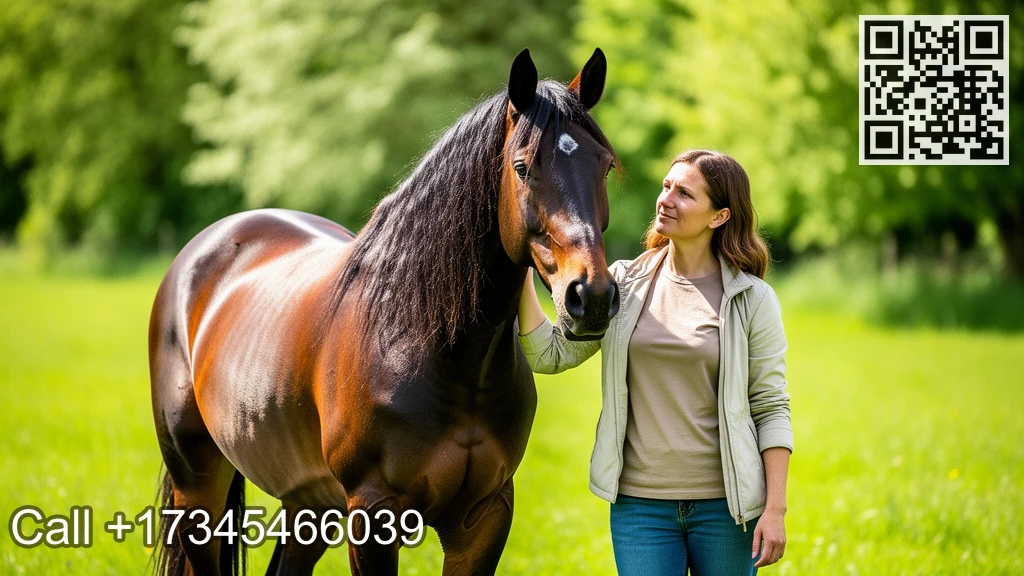
If you pull into the crushed rock drive following morning meal, you will typically locate Dexter at the fence line, ears pricked, soft brown eyes following your automobile. He is not expensive. He is a substantial quarter horse with a kind face and the sort of perseverance that only originates from years of consistent work with people who require time and calmness. He reduces his head when a youngster takes a halting progression. He waits if a customer ices up at the mounting block. He stands, breathing quietly, while a teen counts to 10 and attempts again.
People typically picture therapeutic horsemanship as horseback adventures in circles. There is riding, sometimes, but the heart of the work is a relationship. At Dexter's Recovery Hooves, a tiny program established near community, that connection is the core of equine-assisted services. The barn sits close sufficient that households can come after school, and grownups can slip in for an early session before a commute. The setting matters. Uniformity, convenience, reduced travel time, these make the distinction between a great concept and a sustainable practice.
What therapeutic horsemanship truly means
Therapeutic horsemanship is an umbrella term for equine-assisted activities and horsemanship abilities educated with a therapeutic lens. Some programs are professional in nature, with qualified mental wellness providers integrating equine-facilitated health right into treatment. Others concentrate on understanding and life abilities, shown by credentialed instructors who understand just how to shape jobs around requirements like interest, sensory processing, and emotional regulation.
If you are visualizing headgears and reins, that belongs to it, however a lot of sessions start on the ground. Leading an equine with cones comes to be a lesson in pacing, communication, and common attention. Brushing a sloppy shoulder is responsive input, bilateral control, and a possibility to exercise sequencing, all covered in a relaxing rhythm. For a kid that fights with sound, the barn has its very own soundtrack, hooves on jam-packed dust, swish of a tail, creak of natural leather, wind with cottonwoods. These are sensory invites, not demands.
I have enjoyed a child with ADHD illuminate when Dexter reacts to a clear, brief cue, walk on, supplied with a steady hand. We mounted that as a game, can you obtain three steps with one ask, then five, after that a turn. The framework assisted him hold focus without sensation held back. That is ADHD equine finding out assistance at its most all-natural, using the equine's instant feedback to reward timing, clarity, and comply with through.

For a teenager on the autism range who thrives on predictability, the regular could look like this, halter from the very same hook, lead clipped the same way, quit at the very same chalk line, count three breaths, then begin. The autism equine finding out program at Dexter's Recovery Hooves does not aim to make anyone less themselves. It intends to provide a place where framework and option live conveniently side by side.
Meet Dexter, and why the steed matters
Therapeutic programs fluctuate on the temperament and training of their horses. Dexter is the kind of partner you intend to satisfy, ahead sufficient to react, stable sufficient to forgive. He pertained to the program after a cattle ranch profession that gave him trail miles and perseverance with gateways, pools, and shocks. He does not scare at a waving coat. He does step away if a person gets loud or pushy, which is its own lesson.
Horses bring 2 effective points to equine-assisted mentoring and learning. Initially, they are truthful. A steed does not nod along while you chat in circles. He reads your body and your breath, then chooses if you really feel secure and clear sufficient to comply with. Second, they are regulated by motion. Unlike a chair, they do not ask you to sit still and assume your escape of your very own nerve system. Somatic healing with horses utilizes that truth, getting the body to lead the brain, not the various other means around.
On a sensible degree, a horse like Dexter educates borders far better than any type of lecture. If you stroll into his space fast and undistinct, he lifts his head and actions away. If you reduce your strategy, quit at the edge of his shoulder, and take a breath, he allows you in. That is feedback you really feel, not comments you are told, and it sticks.
Inside a session, begin to finish
The initial check out is not concerning confirming anything. It has to do with getting topography. We tour the paddocks, scent the hay, try a curry comb on a thick winter months coat. We discuss goals. Some households come seeking anxiety support with equines, hoping their child can lug barn calmness back to institution. Others come since a therapist suggested equine-assisted tasks as an alternate therapy for sensory obstacles. Some grownups come to a job crossroads and desire equine-facilitated training to iron out stuck conversations at work.
Once we settle on a direction, we build a session arc that duplicates with small variants. Predictability permits the nervous system to kick back, and an unwinded system discovers much faster. A normal 50 minute session might consist of haltering, leading, brushing, a concentrated job on the ground, and, where appropriate, placed work. For installed time, helmets are non-negotiable, and a second handler may stroll next to for backup. On the ground, we educate clients just how to maintain a safe bubble around the horse, just how to check out ears and eyes, and how to set up challenges with a purpose.
Progress is hardly ever direct. One week, a kid who normally prevents touch may spend fifteen minutes scraping Dexter's withers with both hands, laughing at the lip quiver. The next week, the exact same child might determine the brush is too scratchy and only intend to lead. That is not a setback. It is a choice in a location where choices are appreciated, that makes it less complicated to stretch the next time.
Parents frequently ask just how we understand the work works. We track small data. The length of time might they maintain a task before a break, the amount of clear signs did they give prior to duplicating, how many changes did they take care of without triggering. We go for gains measured in mins and repetitions, not jumps to perfection. Over six to twelve weeks, it is common to see a change from 2 or 3 mins of focused interaction to 8 or 10. That ten mins, exercised and had, changes class and dinner tables.
Why steeds help the nervous system locate neutral
Clinically, steeds are prey animals with a solid startle action coupled with a solid go back to standard. They scan, orient, act if needed, after that graze. Individuals under chronic tension usually skip the last action. We stay supported. In equine-facilitated health, we lean into co-regulation. If you match your breath to Dexter's sluggish exhale while you groom, your very own heart rate can follow. If you discover a pace that maintains him strolling with a swing through his back, your hips unwind to his rhythm.
This is not magic, it is technicians. The hips rocks in 3 planes when seated on a relocating horse. That motion can mirror the spine patterns made use of for strolling. For someone with low muscle tone, that input can increase postural activation. For someone secured a freeze feedback, that motion can gently wake a system that failed to remember just how to move forward. We do not talk about it much with customers unless they desire the why. We set up the conditions and allow the body educate itself.
There are limitations. Steeds are not a fit for everyone. Some people have allergies, some are truly worried, some locate the sensory tons too high on windy days. Great programs adapt. Ground-only sessions are not a minimal option. For a teenager with vestibular sensitivity, standing on an installing block and merely placing a foot right into a brace while holding a hand may be the whole objective for a month. The persistence to recognize that rate becomes part of the work.
For kids, from focus to friendship
Children come to Dexter for all type of reasons. ADHD usually shows up first as a tale regarding college. A youngster stands up and wanders, neglects directions, loses track of items. In the arena, we reduce the directions and reduce the comments loop. Lead Dexter to heaven cone, stop, animal his neck, return. Success is instant and personified. The task constructs working memory, due to the fact that the steed demands you remember what you asked, and it constructs impulse control, because pulling the lead does not make a thousand pound pet move.
For families navigating sensory differences, the barn can be a relief because it is unapologetically physical. Alternate treatment for sensory difficulties does not require a kid to rest and make eye get in touch with. It asks them to observe exactly how the brush really feels on a shaggy layer, how hay scents pleasant or messy, exactly how a hoof looks when picked clean. We build in silent rooms, a clean tack space with a soft chair, a vacant stall with a window for a view but not excessive noise. Earphones rate. Some kids wear gloves. When a child claims stop, we stop, and absolutely nothing negative happens. That lesson trips home.
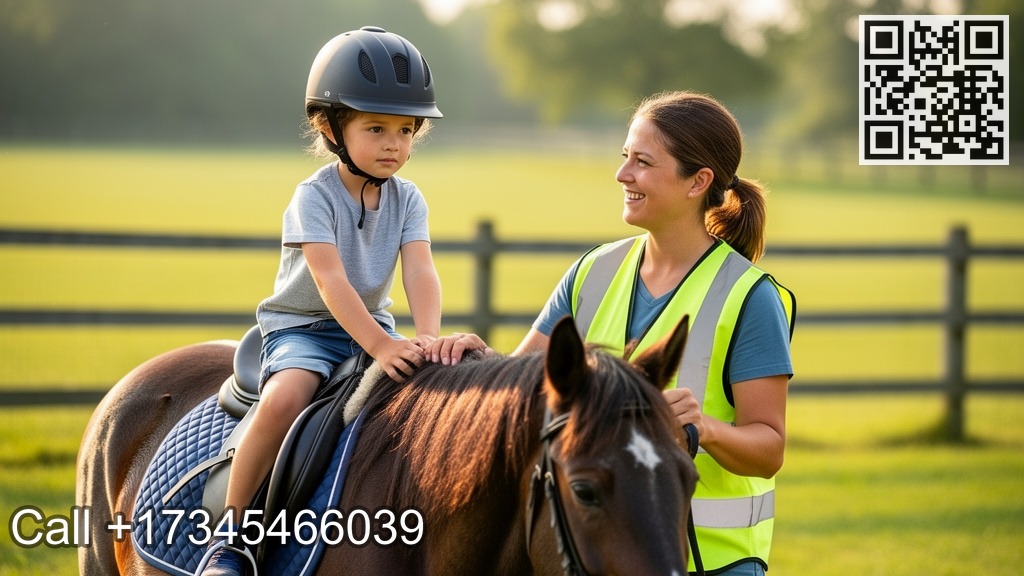
Autism equine finding out programs vary, yet the very best share this feature, the steed shapes social communication without requiring it. A child that does not wish to respond to inquiries might still reach to hand Dexter a carrot, and in that reach is turn taking, timing, and expecting cues. We design straightforward language, stroll on, whoa, great boy, as a rhythm instead of a test. Over months, words frequently expand around those patterns.
Anxiety looks different in youngsters than in adults, yet at the barn it shares an initial step, get out of your reasoning loop and into a task. Stress and anxiety assistance with equines uses structure, selections, and a living companion to interfere with rumination. Standing close to Dexter and matching your breath to his, then taking 3 steps with each other, is not a motto. It is a method you can feel.
For grownups, clearness without a conference room
Equine-assisted coaching for grownups is not therapy in a conventional talk feeling, though lots of locate it restorative. It is experiential knowing with steeds focused on leadership, communication, and borders. If you claim you wish to relocate a group towards a new objective however your body telegraphs hesitation, Dexter will certainly not step off. You find out swiftly how to align your words, position, and objective. The lesson transfers. In my notes, I have a supervisor who could not obtain a group to end up projects promptly. After three sessions of moving Dexter through a pattern with no rope, simply body movement, she went back to function and began asking for clear dedications with days, after that waited without filling up the silence. Deadlines improved.
Team structure with horses can be an eye opener without anybody sitting through a slide deck. A small team might be asked to obtain Dexter to go through a narrow chute of poles without touching him, no halters, no deals with. In ten minutes, you will see who strategizes, https://marcokovi769.timeforchangecounselling.com/locating-your-herd-equine-facilitated-training-for-link-and-belonging who rushes in, who gets loud under tension, that hangs back. The debrief is where the value lands. We speak about what made the horse basically willing, and the group draws its very own parallels to meetings and project plans. No one has to be called out by name. The steed currently revealed the pattern.
Equine-facilitated training fixate the very same principle as the youngsters' work, actions are information, and responses ought to be prompt and kind. When grownups find that balance in the sector, they frequently lug it right into difficult discussions in your home or at work. Softer shoulders can indicate stronger boundaries, not weak ones.
Safety, ethics, and the misconception of the wonder cure
A barn is not a facility, yet it must be kept up the same regard for safety and authorization. At Dexter's Recovery Hooves, we maintain clear protocols. Closed-toe footwear are called for. Helmets are fitted, not guessed. Saddles are examined each trip, and girths are retightened after the horse has actually strolled. Steeds get times off and turnout time. Sessions end on time so steeds and individuals discover to anticipate starts and endings.
Ethically, we prevent huge assurances. Equine-assisted services are a complementary strategy, not a wonder remedy. They can sit alongside work treatment, therapy, or medicine. We collaborate with other providers when family members agree. I have actually remained on the phone with an institution OT planning exactly how barn jobs might reinforce reciprocal combination objectives. That is not extravagant, however it works. A youngster feel pleased clipping a lead rope appropriately, after that utilizes the very same crossed midline motion extra efficiently in class art projects.
We additionally take care of the equine's authorization. A pinned ear is a no. A rested back leg and a soft eye are an of course. If Dexter does not look like he intends to become part of a session, we listen and pick a different task or a different steed. That selection educates clients that relationships go both means and that no is not a failure.
What adjustment looks like over months
Progress tales at the barn seldom come covered in dramatic discloses. They seem like this, a parent states their kid maintained the exact same morning meal regular three days straight after we exercised a grooming series with a visual graph. Or an instructor e-mails to claim the student who drummed on the desk now taps a hand on a thigh and takes a breath, then raises a hand. Or a grown-up client shares that when a meeting obtained heated, they visualized making space at a steed's shoulder and let the room work out before speaking.
We see gains in numbers you can document. A client who could stand grooming for 2 minutes now brushes for eight. A client who required 5 triggers to stroll an obstacle now requires one. Spontaneous favorable actions raise, unprompted appreciation for the horse, unasked for lead rope coiling at the end of a session. None of these are diagnostic criteria, but they are useful changes.
Parents appreciate when we translate barn wins to home routines. If a kid finds out that walk on means move now, we recommend a home cue for transitions that is brief and constant, footwear on, five minutes, vehicle. If a teenager finds out that counting 3 breaths relaxes both them and Dexter, we assist them pick a mobile version for test days, hand on desk, 3 silent breaths, pencil down, read the first question.
Cost, time, and remaining local
One reason Dexter's Recovery Hooves draws constant participation is location. A half hour round trip after school is workable. We schedule in six to twelve week blocks, generally one session weekly, due to the fact that once a week repetition seeds resilient routines. Rates vary by region, however, for small programs such as this, you can expect exclusive sessions to be priced similar to specialized lessons or counseling copays. Some households budget plan by turning siblings, so both get time throughout a season.
We deal with a few local nonprofits to use limited scholarships. We additionally educate households how to lug method home at no additional expense. A five min brush and take a breath routine in a yard with a canine or even a stuffed pet is not the exact same, yet the framework and breath still help.
Preparing for your very first visit
- Wear closed-toe shoes with a walk, and clothes you do not mind getting dusty. Bring water, sun block, and a jacket, the climate can move even within an hour. If sensory level of sensitivity is an issue, pack earphones, gloves, and a favorite fidget. Share medications and allergic reactions on the intake kind so we can plan for breaks or direct exposure limits. Arrive 10 minutes early to settle in and evaluate the session plan at a tranquil pace.
How to vet a program without obtaining shed in jargon
Not all equine programs offer the exact same services, and the language can obtain murky. Equine-assisted activities normally concentrate on ability structure and wellness, frequently led by qualified trainers. Equine-facilitated wellness and equine-assisted coaching can entail psychological health or leadership work, led by qualified specialists or experienced trainers educated to use equines ethically in development work. The information matter less than the suitable for your objectives and the security society you observe on site.
Questions to ask when picking a program:
- What training do the staff hold, and just how do they preserve proceeding education? How do you examine fit and established goals for customers like me or my child? What are your safety and security protocols for headgears, tack checks, equine option, and weather? How do you track progress and connect it to family members or clients? What is your strategy when a customer or an equine says no to an activity?
Listen for answers that specify, calm, and not defensive. See a session if you can. Notice if the equines look brilliant and loosened up, not shut down. Notice if personnel use clear, type language. The barn ought to feel like a place where mistakes are anticipated and handled with dignity.
When the field becomes a class for life
The ideal sessions with Dexter end with a small triumph and a feeling of sufficient. Possibly the equine stepped willingly through a brand-new challenge after you adjusted your body one inch. Possibly a youngster searched for and stated, he listened to me. Perhaps you uncovered your voice lands best when it is low and consistent. Individuals carry those minutes out to their cars and back right into the rest of their week.
Equine work is not concerning riding off right into a sunset. It has to do with learning to stand, take a breath, ask clearly, wait, and notification. It is about recognizing that calmness is not a gift you get, it is a practice you develop, with assistance. At an area like Dexter's Recovery Hooves, near home, that exercise enters into the community. You start to acknowledge the rhythm, the crunch of gravel under tires, the snort from the arena, the way time stretches when your hand rests on a cozy neck.
The barn will certainly still be there when development dips, and development always dips. That is why having equine-assisted services neighborhood matters. You do not require a perfect week to find. You require sufficient nerve to show up, and a horse like Dexter waiting at the fencing, ready to fulfill you where you are.