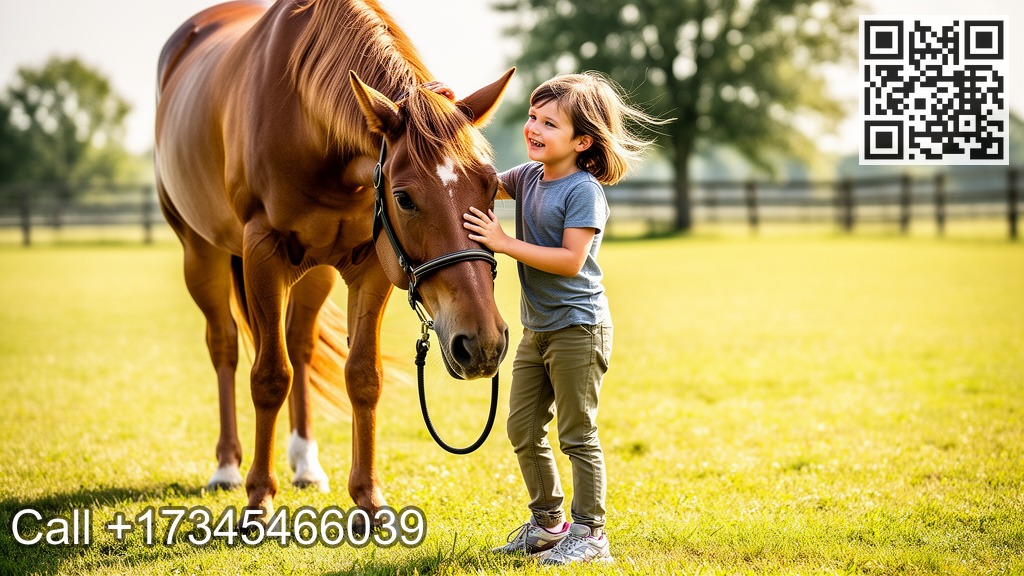
On a gusty Wednesday, I viewed a teen motorcyclist named Mia relax her palm gently on the neck of a chestnut gelding called River. She had actually gotten here with her shoulders up near her ears, eyes rushing, breath superficial. River changed, sighed, and dropped his head. Mia's breathing adhered to. Nobody cued her to inhale for four matters or breathe out for 6, but the rhythm found her anyhow. 10 mins later on, River mirrored her brand-new solidity by licking and eating, a small equine signal that stress was softening. It is not magic. It is a living comments loop between a victim animal that reads the globe with sensation and a human knowing to trust their own.
That loophole sits at the heart of equine-assisted services. Whether a session appears like therapeutic horsemanship with installed job, or equine-assisted tasks on the ground, the objective is similar: construct a truthful, symbolized discussion where nerve systems can downshift, curiosity can stimulate, and strength can grow.
What horses offer that a health club or treatment space usually cannot
Horses track authenticity in a manner people rarely do. Their survival depends on reading intent, power, and micro-tension long before a word is talked. Enter a paddock with a head full of static, and you will certainly see a steed pin an ear, walk away, or stand like a rock, unmoved by blended messages. Get here with in agreement signals, and the same steed will certainly match your speed, pause when you stop, and meet you at a limit you hold with quality and compassion. That instant, nonjudgmental feedback develops somatic understanding faster than any kind of mirror or checklist.
For clients that have a hard time to describe emotions, this issues. I have actually collaborated with adults who can recount injury in a flat tone, yet could not sense tightening in their shoulders up until an equine rejected to move. We would stop, check for pressure points in the body, soften the knees, and, like clockwork, the equine would certainly sigh and take a step forward. This is somatic healing with steeds in real time: observing, readjusting, witnessing the outcome. Over weeks, that ability transfers to every day life. Individuals begin to catch the spike in stress and anxiety before a meeting, or the closure that complies with an essential email, and they discover methods to reset.
There is likewise a range inequality that helps. A 1,000 pound animal welcomes respect. You can not phony persistence or bulldoze your means to connection. Good equine-facilitated wellness programs established tasks that look easy, such as leading an equine via a collection of cones, and enable the horse to provide straightforward responses regarding how you are leading. If you tighten your grasp, the steed could grow his feet. If you hurry, he may crowd you. When you locate a centered, loosened up direction, he often falls in step. That quality, practiced time and again, splashes external right into conversations with companions, colleagues, and kids.
How sessions really work
Equine-assisted services cover a broad landscape. Think about 3 huge buckets, with lots of overlap. Restorative horsemanship usually includes mounted elements taught by qualified trainers and can address balance, control, and confidence alongside psychological law. Equine-assisted activities are often ground based and concentrate on partnership skills, interaction, and sensory law. Equine-assisted training, sometimes called equine-facilitated mentoring, utilizes the horse as a co-facilitator for individual or leadership development. The labels matter less than the method. A proficient team will fulfill a customer's objectives and adjust in the moment.
Here is a common session arc I use with adults and teenagers seeking anxiousness support with horses.
- Arrival and check-in. We examine the week, set a simple objective such as observing breath throughout changes, and settle on today's security boundaries. Warm-up with a regulation practice. Power posture is out, curiosity is in. We may explore basing feet in crushed rock, matching River's breathing, or tracking views and sounds. Task with the equine. Leading through cones, haltering from a field, grooming with focus to pressure, or freedom operate in a rounded pen. The factor is to develop clear asks and observe the horse's response. Debrief and takeaway. We translate equine feedback into language the client can utilize in other places: what did you see initially in your body, how did you make a decision to stop briefly, which sign obtained the response you hoped for. Cool-down. A min or two of serenity, a hand on a cozy neck, or a stroll back to the barn lining up actions and breath.
For mounted sessions, I include a tack check, installing block regimen that highlights consent, and short patterns at the walk. We might run if guideline abilities hold. Otherwise, we decrease without embarassment. The steed's state and the cyclist's state both set the pace.
Safety is not negotiable. Safety helmets for placed work, closed-toe footwear constantly, and clear duties. Approval matters on both sides. If a steed pins ears during grooming, we do not press through. We step back, reassess stress, and invite a different touch. Clients discover that no is info, not a failure.
The scientific research without the jargon
No single device describes why equine-assisted activities help, but several threads make sense. Rhythm issues. Humans co-regulate, therefore do horses. Lots of clients resolve as they match a horse's slower chewing, head bobbing, or breath. Novelty issues as well. A barn is rich with sensory information that resets rumination. The research study literature, which ranges from small qualitative research studies to randomized tests with blended roughness, points to improvements in self-efficacy, state of mind, and function across a range of programs. From a physical standpoint, heart rate irregularity often enhances over a session. The effect sizes vary by populace and program design.
Here is the line I make use of with clients that request for the why. Horses offer timely, personified feedback. Individuals https://www.hhooves.com/sproutlingssensoryadventures exercise adjusting state, not simply thoughts. The practice happens in a context that demands clarity, respect, and persistence. Do it weekly for 8 to 12 weeks, and you develop a stack of experiences that your nervous system can draw on later.
When attention wanders, the equine will tell you
I once collaborated with a nine-year-old who had a medical diagnosis of ADHD and a mind like a pinball maker. We maintained mounted time brief and sensory time rich. He aided determine feed, counted hoof chooses into a container, and pushed a wheelbarrow like a little forklift driver. After that we led a horse via a maze of posts, 10 advances, three go back, time out. If his eyes wandered to the swallows in the rafters, the pony wandered with him. When he found out to name three shapes in sight prior to taking a step, the pony remained with him. That is ADHD equine learning support at its ideal, not a benefit system yet a focus gym that utilizes real-world consequences.
Parents ask about application. For many kids with attention challenges, 45 to 60 mins when a week functions, with a mix of jobs and brief reflective stops briefly. The trick is setting bench at obtainable, then boosting complexity by one notch. Attempt haltering from a large pen prior to a slim delay. Change to a rope with a various feel. Add a mild distraction like a tarpaulin flapping. Maintain wins constant and authentic.
Sensory systems enjoy the barn
For individuals with sensory processing distinctions, the barn can calm or bewilder, and the distinction lives in style. I develop an Alternate therapy for sensory challenges prepare with the client and any type of caretakers. We choose the quietest time of day, present smells and textures slowly, and honor preferences. Some customers discover a soft muzzle to stroke more tolerable than brushing a shaggy flank. Others like the rhythm of brushing up an aisle in equivalent strokes far more than the surprise of a steed shifting weight.
Mounted job can be effective when suitable. The swing of the walk provides vestibular input, and the heat of a horse's back aids with proprioception. I add basic patterns, such as figure at a walk, that supply predictability. The autism equine learning program I co-led ran tiny groups of three to four, with one horse per individual and 2 team all set to step in. We maintained language extra and clear, previously owned aesthetic timers, and supplied ear security without stigma. Progress resembled longer periods of comfortable involvement, smoother transitions in between tasks, and a bigger variety of tolerated sensations.
Anxiety has a rhythm too
Adults with stress and anxiety commonly show up with 2 fears. One is obvious, the dimension of the steed. The other hides in practice, the concern of being seen in an area where body movement offers every little thing away. We name both, then create a scaffold. Start outside the fencing, observe herd dynamics, and technique breath awareness with a visual support such as the sweep of a tail. Move to grooming when we see indications the system is loosening, like warmer hands or a voice going down half an octave. Leading with cones is not a test. It is a way to feel what takes place when body and purpose line up.
I keep an eye on perfectionism. If somebody begins to promote an A quality, the equine will frequently decrease or step away. It is a best timely to move from outcome to procedure. Anxiety assistance with horses prospers on a series of little, tidy reps finished with interest. Over a few months, customers report sleeping much better the evening after sessions, dealing with congested grocery aisles with less reactivity, and recouping from spikes faster.
Teams, depend on, and hooves on the ground
Team building with horses is loud in the most effective way. People laugh, suggest, and afterwards go silent when a mare rejects to tip over a low pole till two coworkers in fact make eye contact and agree on a strategy. You Equine Facilitated Learning can not lobby a horse. You need to line up. In equine-assisted mentoring for groups, I set up jobs that call for common attention and clearness. One fave: move an equine through a labyrinth without touching the lead rope, utilizing only setting and breath. Somebody inevitably attempts to be the boss. The horse plants. An additional individual tries to vanish. The steed wanders to consume grass. When the group discovers a clean department of functions, the equine moves through the labyrinth with them.
Leaders take certain lessons from equine-facilitated mentoring. Steeds do not adhere to titles. They react to presence that is tranquil, clear, and responsive. A leader who can broaden understanding under stress, adjust without falling down, and hold borders that feel reasonable will see a better equine reaction than a person who doubles volume or abdicates. Those coincide abilities that drive human teams.
What progress resembles, and just how to discover it
Progress in equine-assisted tasks tends to turn up in 3 domains. Physiological pens change first. I look for softer facial muscles, smoother ingest, and a drop in shoulder height gauged versus a fencing board. Behavioral pens comply with. Clients stop briefly before tugging on a lead rope, or ask for aid faster as opposed to bearing up. Cognitive integration comes last. People tell better stories regarding what took place, linking a hint, a feedback, and a choice they made. With each other, that triad appears like durability that sticks.
Not all days move forward. Warmth, wind, or a harsh morning can nudge a session sideways. I maintain one modest metric handy: the recuperation home window. For how long does it take to observe dysregulation and go back to choice. When that home window reduces over weeks, we are on track.
Working values: steeds are companions, not tools
Ethical treatment is not optional. The welfare of equines in any type of equine-assisted solutions program need to show up in their condition and habits. I anticipate shiny coats, healthy weight, tidy water, and turnout with compatible friends. Timetables should include day of rest, and session intensity need to match each horse's ability. Authorization turns up in tiny selections. If a steed moves away during haltering, we do not chase. We change approach. If a gelding flicks his tail and tenses when a brush touches a hip, we check for skin concerns and switch devices, not compel compliance.
When steeds are treated as companions, customers find out partnership, not control. That lesson translates much beyond the barn.
Choosing a company wisely
Credentials vary by region, yet you can still make a grounded option with a little homework.
- Ask regarding training and range. Are personnel licensed in restorative horsemanship, psychological health and wellness, or mentoring, and do they remain within those lanes. Observe a session. Do steeds look unwinded in between jobs. Do customers appear supported without being micromanaged. Review safety protocols. Safety helmets for installed work, clear emergency plans, and fit-for-work equines are standard. Clarify goals and steps. Exactly how will advance be tracked over 8 to 12 weeks, and exactly how will sessions adjust if objectives shift. Discuss equine well-being. Day of rest, vet care, turnover, and retirement talk volumes.
If you hear tough offers or wonder claims, walk away. Excellent programs accept nuance and will readily refer out when a client's requirements surpass their scope.
Costs, logistics, and practical timelines
Pricing depends upon location and staffing. In the USA, ground-based equine-facilitated mentoring commonly ranges from 100 to 250 bucks per hour. Restorative horsemanship with installed aspects might cost 60 to 150 dollars per lesson, often sustained by grants or benefactor funds. Group group experiences can run higher per session yet reduced per person. Insurance policy coverage is unusual unless solutions are billed under a certified mental health supplier, and also after that, plans vary.
Frequency matters greater than size. A constant cadence of regular or biweekly sessions over 8 to 16 weeks develops energy. Many clients taper to monthly maintenance after a focused series. Weather condition can disrupt. Great programs have interior choices or structured no-horse days that still adhere to the arc of observing, readjusting, and exercising regulation.
Techniques that lug home
Not everyone has an equine in their backyard, so I provide clients basic practices that echo barn work. Two favorites:
- Visual monitoring with breath. Choose a slow-moving target, like a tree branch in the wind. Match your breathe in as the branch rises, breathe out as it drops, for 2 minutes. The body identifies the exact same open emphasis made use of to review an equine's signals. Boundary practice sessions. Place 2 household objects on the flooring 6 feet apart. Practice walking a straight line between them while maintaining shoulders unwinded and eyes soft. Include a micro time out at each challenge really feel feet on the ground. That coincides clarity you utilize on a lead line.
Both build the muscle of switching from one-track mind to larger awareness, the core of resilience.
Edge cases and clever adaptations
Equine-assisted tasks are not a fit for everybody at every minute. Extreme allergic reactions can be managed with antihistamines, masks, and brushing methods, however sometimes the barn is simply not practical. Severe psychosis or unrestrained aggressiveness is past range for most programs. Orthopedic limitations might call for mindful matching to really steady equines and the assistance of a physiotherapist if placed work is desired.
There is additionally the issue of background. Customers that have actually experienced physical violence involving animals might discover equine setups also charged, a minimum of initially. Others that appear calm might flood inside. The antidote is pacing and selection. I maintain the initial couple of sessions light, offer numerous ways to say no, and continuously check that inquisitiveness outweighs fear.
What makes experiential learning with horses stick
Talking around anxiety puts us in our heads. Experiential discovering with equines drops us into experience, timing, and relational impact. You can see a horse's ear flick toward you when your voice warms. You can feel relaxed reappear in a lead rope when your jaw unclenches. The learning lands due to the fact that it is earned, not argued. Customers bear in mind the day a mare followed them throughout the sector after a hard discussion more clearly than any worksheet concerning coping skills.
That stickiness is why equine-facilitated wellness programs increasingly companion with institutions, recuperation facilities, and business. A half-day on the cattle ranch can reset patterns that loads of memoranda can not touch.
A couple of actual tales, names changed
Javier, a 42-year-old fireman, arrived after a string of sleep deprived months. We invested the very first session observing herd movement. He mentioned a gelding on the edge of the group, scanning. We called the appearance, the weight outside of the unguis, the short exhales. 2 sessions later on, Javier acknowledged the very same pattern in himself when his terminal tones sounded. He began a micro practice at the office, two long exhales and a shoulder roll prior to standing. Problems alleviated over 4 weeks.
Naomi, twelve, on the autism spectrum, despised transitions. She would certainly freeze at the mounting block, also on her preferred horse. We constructed a ritual with an aesthetic timer and 3 tasks she performed in the same order each time: check the girth, touch the hair, take a breath with the horse's neck for five matters. The freeze reduced, then vanished. Her mother reported smoother transitions to going to bed, utilizing the very same three-step rhythm.
A little start-up booked a group day. Two participants kept bumping heads over item concerns. In the sector, they tried to lead a mare via a serpentine course with both of them on the rope. It was a conflict up until they went back and made a decision one would certainly establish instructions while the various other managed pace. The mare flowed with the pattern. They lugged the very same duties right into their following sprint conference and delivered on time.
If you are just obtaining started
You do not require a grand plan. Curiosity and a great fit go a long way. Reach out to programs in your area that use equine-assisted activities or therapeutic horsemanship. Ask for a quick call. Share what you hope will change, whether it is sleeping through the evening, managing transitions at college, or building steadier management existence. A thoughtful service provider will outline a first block of sessions, suggest whether ground job, mounted work, or equine-assisted mentoring suits your objectives, and established clear expectations concerning security and progress.
The barn will look after the remainder. Steeds have been shaping human nerves for countless years, not by lugging us heroically into sunsets however by urging that we bring our complete, truthful selves to the moment. When we pay attention, we find a rhythm that steadies. When we exercise, we find resilience that travels with us, back into offices, class, kitchen areas, and the difficult places where balance matters most.
Happy Hooves Wellness
9177 Gross Rd, Dexter, MI 48130
+17345466039
https://www.hhooves.com/