On a cold morning, before the sun heats the arena sand, I view the herd finish morning meal. The old mare noses a slow-moving circle around a fresh hay flake and invites a more youthful gelding in. No squeals, no pinned ears, simply a soft exhale and a shift of weight that says, You can be below with me. That exchange is the heart of belonging based training with horses. It is not a method so much as a way of seeing. People come for equine-facilitated wellness, equine-assisted mentoring, or restorative horsemanship, yet what transforms them frequently begins with that said silent invitation to share space. Belonging is felt prior to it is explained.
I have actually coached thousands of sessions, from executives doing team building with horses to children in an autism equine discovering program. The common thread is partnership. When belonging is the objective, mentoring with steeds becomes much less about doing a job and more about finding out to review and react with care. The steed brings sincerity that can not be faked. Whether somebody shows up with anxiety that hums in their breast, ADHD that rattles emphasis, or sensory obstacles that make even the breeze really feel loud, the herd fulfills them right where they stand.
What belonging looks like in a barn
Belonging with horses is based in permission, clearness, and uniformity. Equines are social students. They map safety and security through predictability, congruent body movement, and the capability to choose. A steed that can say no by leaving is likewise a horse whose yes lugs meaning. In a belonging based method, the equine is a companion and an active communicator. We established the environment so both varieties can reveal preference without penalty.
That typically suggests easy, concrete changes. We begin unhaltered in a paddock when feasible, after that move to a halter only after a mutual check-in. We give equines time to orient to a brand-new human, and we show human beings how to see a decreased head, a lick and chew, a curious ear, or, equally as importantly, a limited jaw or a tail clamp that says pause. The objective is not to assess every twitch, but to deal with the horse overall being with a nerve system that mirrors our own.
With individuals, belonging shows up as selection in how they involve. Some clients prefer grooming in silence first, locating rhythm in slow-moving curry circles. Others want to walk with an equine free, or practice leading with soft hands and clear boundaries. The session adapts, not to cater to, yet to respect nervous systems and develop ability step by step. In this spirit, equine-assisted services become much less of a menu and more of a relationship field.
Sorting the language so we know what we are doing
The area utilizes overlapping terms, and that can puzzle customers. I often tend to describe them in plain language so individuals can select the appropriate doorway.
Therapeutic horsemanship normally entails discovering horsemanship abilities, such as grooming, adding, and installed or unmounted exercises, with adaptations for physical, cognitive, or emotional demands. It can improve balance, control, and confidence.
Equine-assisted activities are structured communications with steeds, frequently entertainment or instructional, that build abilities like interaction or issue addressing. Assume challenge programs at liberty, or finding out to lead a horse via patterns.
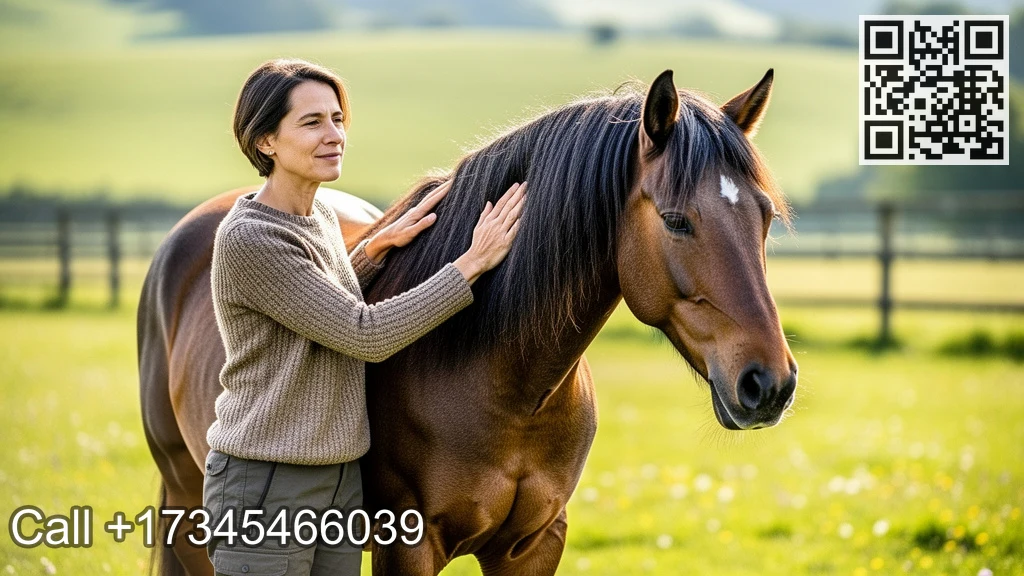
Equine-assisted services is a more comprehensive umbrella that consists of activities, mentoring, and some clinical services. It is available in many layouts and settings, from farms to therapeutic riding centers.
Equine-facilitated coaching and equine-assisted coaching concentrate on individual and professional development as opposed to clinical therapy. These sessions make use of the equine as a responsive companion to brighten patterns in management, boundaries, or relational style.
Equine-facilitated health rests in between mentoring and mental health and wellness assistance, and in some programs includes partnership with therapists or bodyworkers. Somatic healing with horses commonly lives here, where breath, stance, and experience assist the learning.
None of these are equally exclusive on the ground. A session might start as experiential discovering with horses and change right into equine-facilitated coaching as insight arises. The integral part is quality regarding extent, goals, and consent.
Why horses assist policy stick
People usually ask why horses appear to relax them faster than a meditation application or a stroll in the park. Co-regulation is the brief response. Horses are prey pets with severe level of sensitivity to nonverbal signals. They see subtle shifts in breath, stress, and attention. When an individual settles, the steed usually softens as well. When the person climbs up into anxious thinking, the equine could lift their head, freeze, or tip away. This dynamic comments loop makes the undetectable visible.
In method, that resembles paced breathing while an equine matches your tempo at the rail. It looks like a child learning to pause before tugging, discovering that a slower exhale brings the steed more detailed. It resembles an exec understanding that the tougher they press, the much less the equine wishes to follow, which mirrors a strained conference room at home. These minutes support nerve system knowing in muscle and bone. It is not abstract. It is kinesthetic and immediate.
Somatic recovery with equines does not need an injury story to be efficient. It begins with present minute recognition: feet on the ground, hand on a cozy shoulder, the noise of eating. For clients who carry injury, this sensory focus can be supporting. And for those exploring ADHD equine learning assistance, the body-based jobs give simply sufficient motion to involve focus without flooding it.
Safety that develops self-confidence without reducing challenge
Safety is not the lack of risk, it is the visibility of assistance and selection. Horses are large and opinionated. They also yearn for great management and clear demands. In a belonging based method, we established the environment to allow real connection while layering in sensible safeguards.
We suit equines to clients by personality, energy, and history. A 1,200 pound draft cross with a soft eye may be excellent for distressed grownups, while a brilliant pony that loves puzzles helps teenagers who prefer interaction over comforting. We keep fit tack, clear fields, and regular routines. We do not put individuals in situations where a disaster, either equine or human, is the only method out.
We additionally instruct technicians without drama. Short bring about begin, then longer ropes as skills grow. Hands at the knot, not the snap. Quiet halter changes with the horse's head lowered. Straight your feet where you intend to go, then welcome the steed to match. These little practices build up. Over a typical 8 session series, I anticipate to see dealing with abilities progress from tentative to coordinated, and emotional policy from brittle to resilient.
A day in the field, item by piece
A first session has a different cadence than the 8th. Individuals get here with tales concerning horses, some tender, some terrifying. Our work is to turn the quantity down on narrative and up on prompt experience. Right here is a portable version of exactly how we structure the flow while leaving space for improvisation.
- Arrival and orientation, including a short walk to fulfill the herd from outside the fence. Consent and check-in in ordinary language, such as, Would certainly you such as to begin with grooming in the cross ties or with a few minutes at liberty in the round pen? Safety fundamentals woven right into the very first task, like where to stand at the shoulder and just how to discover the equine's bubble. A core workout that matches the client's objective, probably leading through a pattern or practicing stillness with hand on wither. Reflection and assimilation, linking felt feeling to day-to-day live, after that a closing routine such as a thanks scrape at the favored spot.
That list covers regarding 60 to 75 mins depending on focus and stimulation. I do not rush. If the whole session ends up being a lesson in how to slow down an equine's eating to keep everyone safe in the cross ties, that is not a failure. It is life with equines, and it instructs persistence, timing, and body awareness.
Stories from the rail
M., a 9 years of age with a spiky relationship to institution, came wherefore her moms and dad called Alternative therapy for sensory obstacles. She despised tags on t shirts, covers on beds, and the shock of fire alarms. On day one she wanted to back up a gate and watch. The gelding Zig took 2 actions, then dropped his head to sniff her boots. She giggled, then flinched, then laughed once more. We built from that moment.
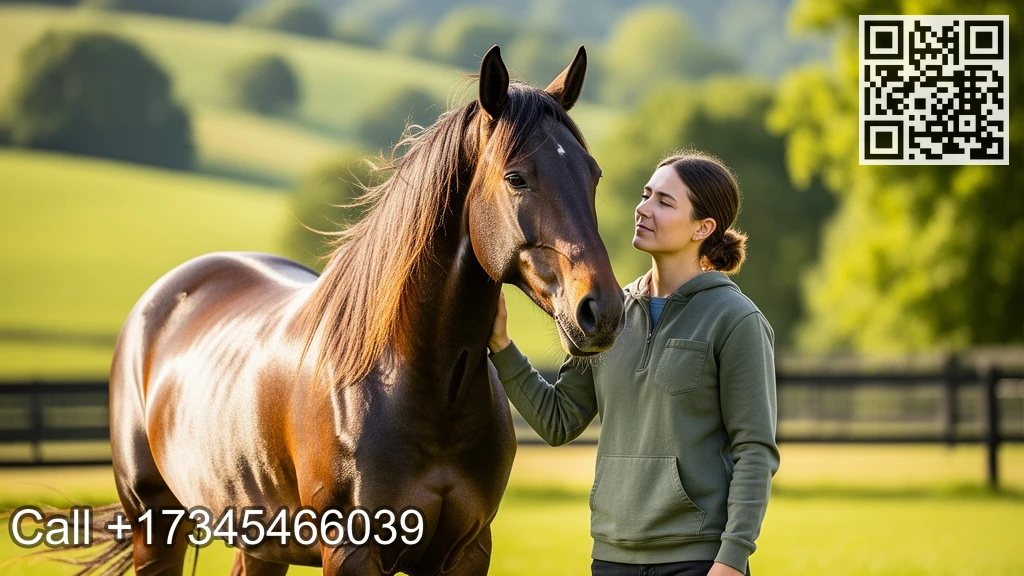
By week 3, M. Was brushing Zig with a blue soft brush, counting strokes out loud. The job provided her simply enough framework. When the barn swallows swooped reduced and she startled, we had a basic plan for ground: search for at the rafters, press feet into the floor covering, breathe out longer than the inhale. Zig's ear flipped back to her each time she allowed air go. After 8 weeks, M. Still disliked emergency alarm, yet she had a portable protocol for shock: orient, ground, breathe out, reconnect. Her parent reported less crises around sensory spikes and more self-confidence promoting for breaks.
On a different Tuesday, an elderly leadership group came for a half day of team structure with equines. We used a freedom workout called Comply with The Yes. The team needed to move a steed with a pattern of cones without touching or paying off. The very first effort resembled a team meeting with too many e-mails. Four voices, no plan, a baffled steed that chose to forage in the only patch of clover. We stopped briefly and asked the apparent: Who is leading, who is sustaining, and exactly how will the horse recognize? Round 2, a single person set direction, the others produced a boundary bubble with their bodies as opposed to noise. The equine walked through the cones on a loose arc, after that stopped briefly to deal with the team. The debrief was brief and sharp. They recognized the practice of over-talking and under-communicating in their day-to-day work, and they entrusted to one agreement: less words, even more clarity concerning role.
For anxiousness assistance with equines, a pattern shows up over and over. Individuals breathe high and fast when they fret. Equines really feel the shallow breath and respond with caution. We experiment with matters and tempo. Some customers like a 4 in 6 out pattern. Others favor placing a hand on the equine's side to match the slower equine rhythm. Within two or three sessions, a lot of discover a breath that works for them, and the horse responds in kind, dropping the head or leaning in. That co-created speed ends up being a referral factor for high stakes minutes off the farm, like a task interview or a tough conversation.
Coaching tools that recognize both species
Equine-facilitated training makes use of timeless coaching abilities, yet the steed keeps us straightforward. Setting goal issues, but we define it in habits we can see and really feel, not simply wishes. If the goal is better limits, we gauge it as, Can you ask the horse to go back without increasing your voice, after that soften and invite them forward again? If the goal is partnership, we exercise handoffs in a leading pattern, seeing how timing, pose, and tone influence the horse's desire to comply with numerous people in sequence.
Curiosity is the various other core device. Rather than choosing what a behavior suggests, we test it. If the horse crowds you at eviction, are you standing in an area that invites a closer look, or did the horse discover that pockets indicate treats? If you open your shoulders and take a longer action, does the crowding willpower? This spirit of experiment shields the horse from being a mirror for every little thing and safeguards the individual from over-interpretation.
For clients seeking ADHD equine discovering support, I keep exercises brief and particular, then vary them simply enough to maintain passion. A 10 min brushing circuit that revolves brushes and body zones can build sequencing skills. Leading with a pattern that alters every 2 cones sustains working memory and adaptability. The benefit is not simply concentrate. It is firm. A client that notifications, I shed track at the blue cone, then resets without pity is transferring a vital exec feature ability into day-to-day life.
Belonging and neurodiversity
An autism equine finding out program that centers belonging is not a one dimension fits all curriculum. Some customers need predictability most of all. We maintain the pattern constant for a number of weeks, then add a small adjustment, such as a new brush texture or a new route to the field. Others grow on uniqueness however need clear begin and stop hints. We utilize visual supports, like a colored cone where each workout begins and ends, together with a basic spoken script.
Sensory processing issues for horses also. A loud coat, a jangling halter, or a strong scent can be aversive. We trouble address both directions. If clipping sound is too much for the customer, we muffle with a towel and work further from the barn. If a steed responds to a mobility device rolling close, we start at a distance and set technique with calm reinforcement, permitting the horse to examine on their terms. Respecting both nervous systems increases authentic participation.
What changes over time
In eight to twelve sessions, patterns arise. People show up with shoulders near ears, and leave with a neck that relocates like it remembers just how. They uncover they can claim no to a horse without being mean, and the steed respects it. They really feel a yes in their upper body when the horse chooses to comply with on a slack line, which really felt feeling of indeed starts to overview choices far from the barn too.
Teams that practice with steeds tend to restore three little however resilient practices. They make one clear request at once. They confirm comprehending with a noticeable actions, not a vague nod. And they debrief today when the job finishes, while the footprints in the sand still reveal the pattern they strolled. These exact same leaders usually report that conferences run much shorter by 10 to 20 minutes, simply since they trade chatter for signals that land.
Simple, powerful workouts to attempt with guidance
If you are taking into consideration equine-assisted activities or equine-facilitated training, 2 fundamental practices can show you a great deal concerning your patterns. Deal with a professional for security and for the steed's health.
- Boundary and invite at the shoulder: Stand at the equine's left shoulder facing forward. Inquire to take one go back with a clear exhale and a small wave of your fingers toward the breast. When they tip, soften, step in, and incentive with a rub. You will certainly discover where you exaggerate and where you hesitate. Liberty adhere to: In a little pen, walk a mild contour and see if the equine chooses to mirror you. Otherwise, pause, soften your look, and alter direction. If of course, attempt reducing to a quit and breathing out. Does the equine quit with you, or do you need to invite the stop with a tiny step to the side? Regardless, you are already in a dialogue.
These are not techniques. They are pressure and release in the lightest possible kind, which constructs quality and trust.
Ethics and the horse's experience
Belonging consists of the steed. We arrange day of rest so the herd is not asked to hold psychological labor nonstop. We revolve equines so one exhibitionist does not lug every chatty team while a quieter steed never gets a turn with the soft-spoken autists who might love them. We enjoy weight, hooves, and saddle fit, because physical discomfort masquerades as behavioral trouble.
I have rejected sessions when an equine told me they were provided for the day. That option sets you back earnings in the short term and develops reputation in the long term. Clients who witness us recognizing the equine's no find out to honor their own. They return because they trust the container, not because we promise miracles.
How groups in fact discover with horses
Most teams do not need ropes programs. They require honest responses that links to actions, not individuality. Horses give that easily. A short layout that constantly operates in a half day resembles this:
- Warm up with silent leading. Pairs overview a horse via a simple square in silence to reset interaction habits. Clarify duties, after that finish a novel job, such as moving a herd, 2 steeds, from one end of the arena to the various other with open gateways and a few disruptive elements. Debrief based upon what the horse did, not who spoke most. Call the micro-moves that worked.
In this framework, equine-assisted training ends up being a practical laboratory. Results are visible. The group either relocated the horse safely, or they created chaos. After that they fine-tune and attempt again. The lessons leave hoofprints, not simply sticky notes.
When equines are not the solution, and when they are
There are times when a workplace, a facility, or a gym is the appropriate location. If somebody is really dysregulated, freshly injured, or terrified of animals, we might start somewhere else. Also, if a client wants just riding lessons, we could refer them to a program focused on mounted abilities. Mentoring functions best when goals straighten with the medium.
That said, there are patterns where equines stand out. People who learn finest by doing thrive with experiential discovering with steeds. Those that really feel embeded talk treatment often open a new door when a 1,000 pound animal replies to their silent yes. And for clients looking for an Alternative treatment for sensory challenges, the barn uses a buffet of grounded feelings that can be titrated very carefully. The scent of hay, the heat of a barrel, hoofbeats on sand, the vibration of a happy nicker, all are inputs we can call up or down.
Getting began without the hype
If you feel attracted to this job, see a program prior to you book. See how the personnel move the steeds. Do they slow down at entrances, wait for the equine to lower the head prior to haltering, and keep their voices constant even when something unanticipated occurs? Ask how they specify range. If they provide equine-assisted services extensively, what does that mean for your objectives? If you require stress and anxiety assistance with steeds, how do they titrate arousal? If you want equine-facilitated coaching for leadership, what does success look like three months later at work?
A great program will certainly invite those concerns. They will chat straight concerning safety and price and what happens if the equine states no on a provided day. They will be truthful concerning the distinction between a shiny picture and the genuine job of standing in sand, occasionally in the rain, improving your timing till the lead rope feels like a shared language.
The quiet transformation of belonging
What attracts attention after years in the arena is exactly how small changes ripple. A teenage child who could not make eye call with instructors discovers to look at an equine's shoulder to time a request, then discovers that the very same soft look makes people really feel appreciated. A supervisor that prevented dispute discovers to ask an equine to support one step, after that another, after that progression to invite the horse right into their space again. Limits end up being a dancing, not https://jsbin.com/nuxocopaga a wall. A lady that never ever trusted her reactions since they had been questioned for years notifications that the mare kicks back every time she follows her first impulse rather than overthinking. She begins tiny with friends and family, and the adjustment holds.
Belonging based coaching with steeds is not concerning dealing with people. It has to do with keeping in mind exactly how to be in connection with quality, compassion, and choice. The herd already understands how to do this. We enter their area and, with luck and practice, we let that wisdom form us. When it works out, the old mare will certainly stroll a slow circle around the human the method she does around hay, after that open an area at her shoulder that says, You can be here with me. That is the lesson worth bring home.